
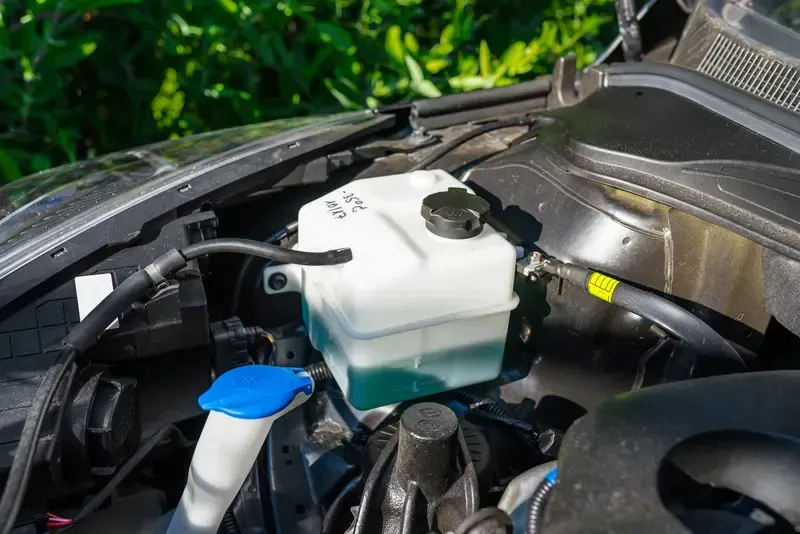
Top Causes Of Radiator Leaks And How To Prevent Them
Discover More On:
The Strut Supports
While the first job of the strut resembles that of a shock absorber, the strut takes it a bit farther and provides support.
Here’s how:
- Struts support your spring
- Struts support your vehicle suspension system
- Struts hold your tires in the properly aligned position
At the same time, struts are responsible for bearing most of the side load placed on your suspension system.
Your struts are critical because they impact your vehicle’s overall handling and comfort. At the same time, struts affect your ability to stop and brake, vehicle control, wheel alignment, and wear on other parts of your vehicle.
Radiator leaks can lead to engine overheating and costly repairs if left untreated. Understanding the common causes of radiator leaks and taking preventive measures can keep your cooling system in top condition. Here are the top causes of radiator leaks and how to prevent them:
Corrosion and Rust
Corrosion and rust can weaken the radiator and cause leaks to develop over time. Preventive measures include using coolant with corrosion inhibitors, flushing the cooling system regularly to remove old coolant and debris, and keeping the radiator clean to prevent buildup.
Age and Wear
Like any automotive component, radiators can deteriorate with age and wear. Routine maintenance, including regular inspections of the radiator and cooling system, can detect signs of wear early and prevent leaks from developing. If your vehicle is older or has high mileage, consider replacing the radiator preventatively.
Physical Damage
Accidental impacts or collisions can cause physical damage to the radiator, resulting in leaks. Avoid driving over rough terrain or debris, and be cautious when parking to prevent damage to the radiator. Install a grille guard or radiator protector if you frequently drive in rugged conditions.
Faulty Seals and Gaskets
The seals and gaskets in the radiator and cooling system can degrade over time, leading to leaks. Inspect the radiator cap, hose connections, and gaskets regularly for signs of wear or damage and replace them as needed. Ensure that the radiator cap seals properly to maintain system pressure.
Overheating
Overheating puts excessive strain on the radiator and cooling system, increasing the risk of leaks. Prevent overheating by maintaining proper coolant levels, monitoring engine temperature, and promptly addressing any cooling system issues. Avoid driving with a hot engine, and pull over if you notice signs of overheating.
Excessive Pressure
High system pressure can cause radiator hoses or connections to fail, leading to leaks. Check the radiator cap and pressure relief valve to ensure they function correctly and release excess pressure as needed. Avoid using a radiator cap with a higher pressure rating than recommended by the manufacturer.
Improper Coolant Mix
Using the wrong type of coolant or mixing different coolant types can lead to chemical reactions and corrosion within the cooling system, resulting in leaks. Use the coolant recommended by your vehicle manufacturer and ensure the correct coolant mix ratio is maintained when topping up or replacing coolant.
Addressing these common causes of radiator leaks and implementing preventive measures can maintain the integrity of your vehicle’s cooling system and prevent costly repairs. Regular maintenance and inspections are crucial to identifying potential issues early and ensuring your radiator remains leak-free.

Max Zima
Lorem ipsum dolor sit amet, consectetur adipiscing elit, sed do eiusmod tempor incididunt ut labore et dolore magna aliqua. Ut enim ad minim veniam, quis nostrud exercitation ullamco laboris nisi ut aliquip ex ea commodo consequat. Duis aute irure dolor in reprehenderit in voluptate velit esse cillum dolore eu fugiat nulla pariatur. Excepteur sint occaecat cupidatat non proident, sunt in culpa qui officia deserunt mollit anim id est laborum.
Lorem ipsum dolor sit amet, consectetur adipiscing elit, sed do eiusmod tempor incididunt ut labore et dolore magna aliqua. Ut enim ad minim veniam, quis nostrud exercitation ullamco laboris nisi ut aliquip ex ea commodo consequat. Duis aute irure dolor in reprehenderit in voluptate velit esse cillum dolore eu fugiat nulla pariatur. Excepteur sint occaecat cupidatat non proident, sunt in culpa qui officia deserunt mollit anim id est laborum.
Lorem ipsum dolor sit amet, consectetur adipiscing elit, sed do eiusmod tempor incididunt ut labore et dolore magna aliqua. Ut enim ad minim veniam, quis nostrud exercitation ullamco laboris nisi ut aliquip ex ea commodo consequat. Duis aute irure dolor in reprehenderit in voluptate velit esse cillum dolore eu fugiat nulla pariatur. Excepteur sint occaecat cupidatat non proident, sunt in culpa qui officia deserunt mollit anim id est laborum.
Discover More On:
